

The high and low points of America’s streets
We’re launching a series to both celebrate positive examples of ‘people-first’ streets – and to point out the most dangerous and unpleasant roads in our backyards.
What if we could build a future where cars, highways and outdated infrastructure don’t dominate our lives?
Which highway and infrastructure projects our government spends money on can shape our communities and have a direct impact on the quality of our lives. But far too often we are cut out of those decisions, or lack the information we need to make sure bad projects are stopped, and the right investments get made. Together we can make sure our leaders are making the right choices, and building a better future for all of us.
We’re launching a series to both celebrate positive examples of ‘people-first’ streets – and to point out the most dangerous and unpleasant roads in our backyards.

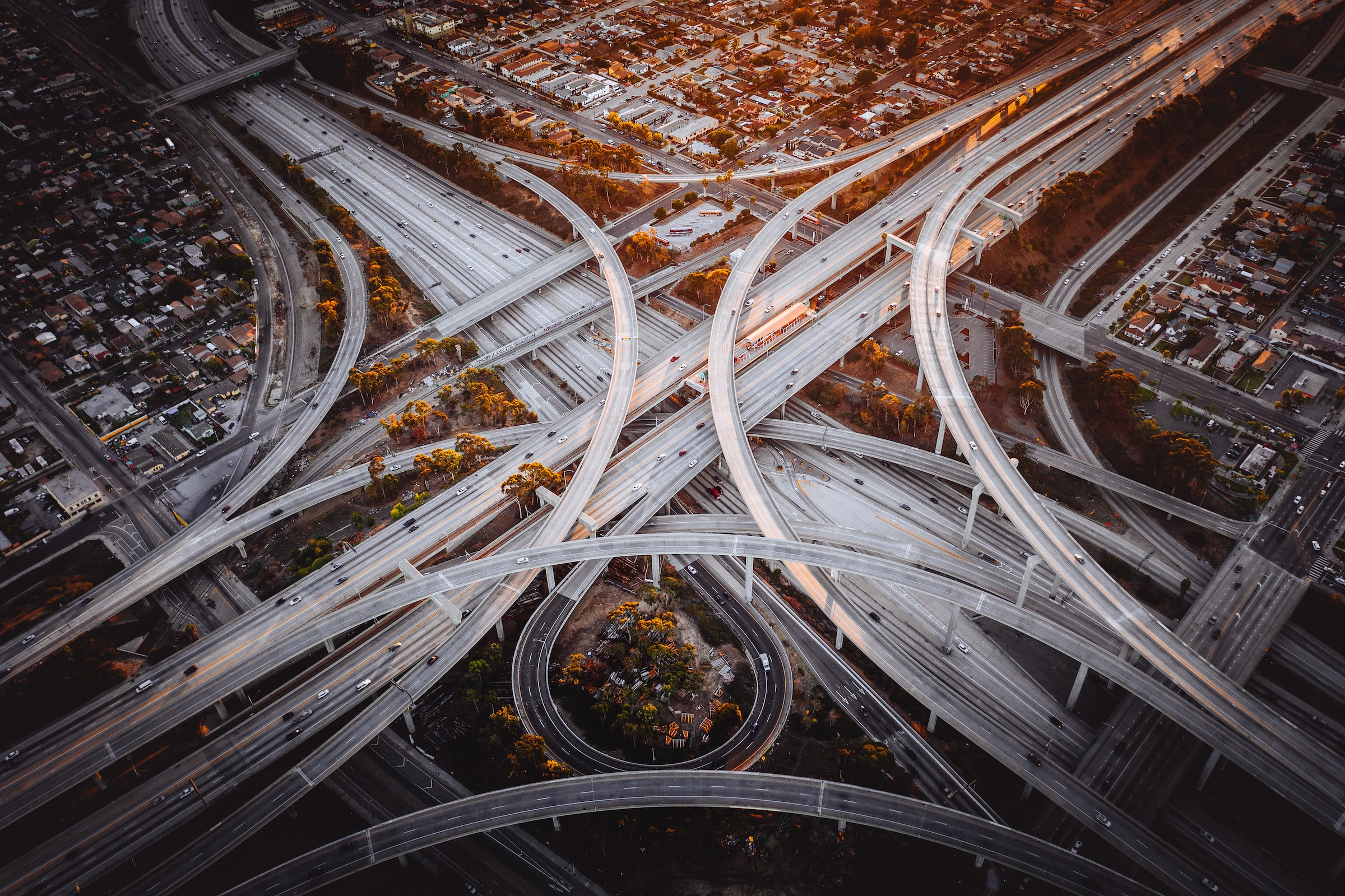


AUSTIN, TEXAS - Taking a high-profile stance against wasteful and harmful highway expansions, the Texas Public Interest Research Group (TexPIRG), Environment Texas, and the Rethink35 campaign filed a lawsuit against the Texas Department of Transportation (TxDOT) on Sunday June 26th over TxDOT’s plans to spend over $1 billion to expand I-35 to 19+ lanes in the north and south of the Austin area.

Crititcs of U.S. DOT guidance on infrastructure spending are getting it wrong.
Every year, millions of Americans have their cars towed without their consent from a private property or public street. While getting towed is a justified consequence of parking in the wrong place or for too long, most states don’t offer drivers the decency of basic consumer protections such as access to their wallets or medicine, or maximum rates for towing and storage. And that doesn’t even take into consideration those times when drivers believe they’re towed improperly.
On Thursday, METRO announced that it would add 20 new zero-emission electric buses and 10 electric cutaway shuttles to their fleet starting in spring of next year. This announcement came as part of METRO’s newly proposed goal of transitioning their entire fleet to zero-emission vehicles by 2030.

